
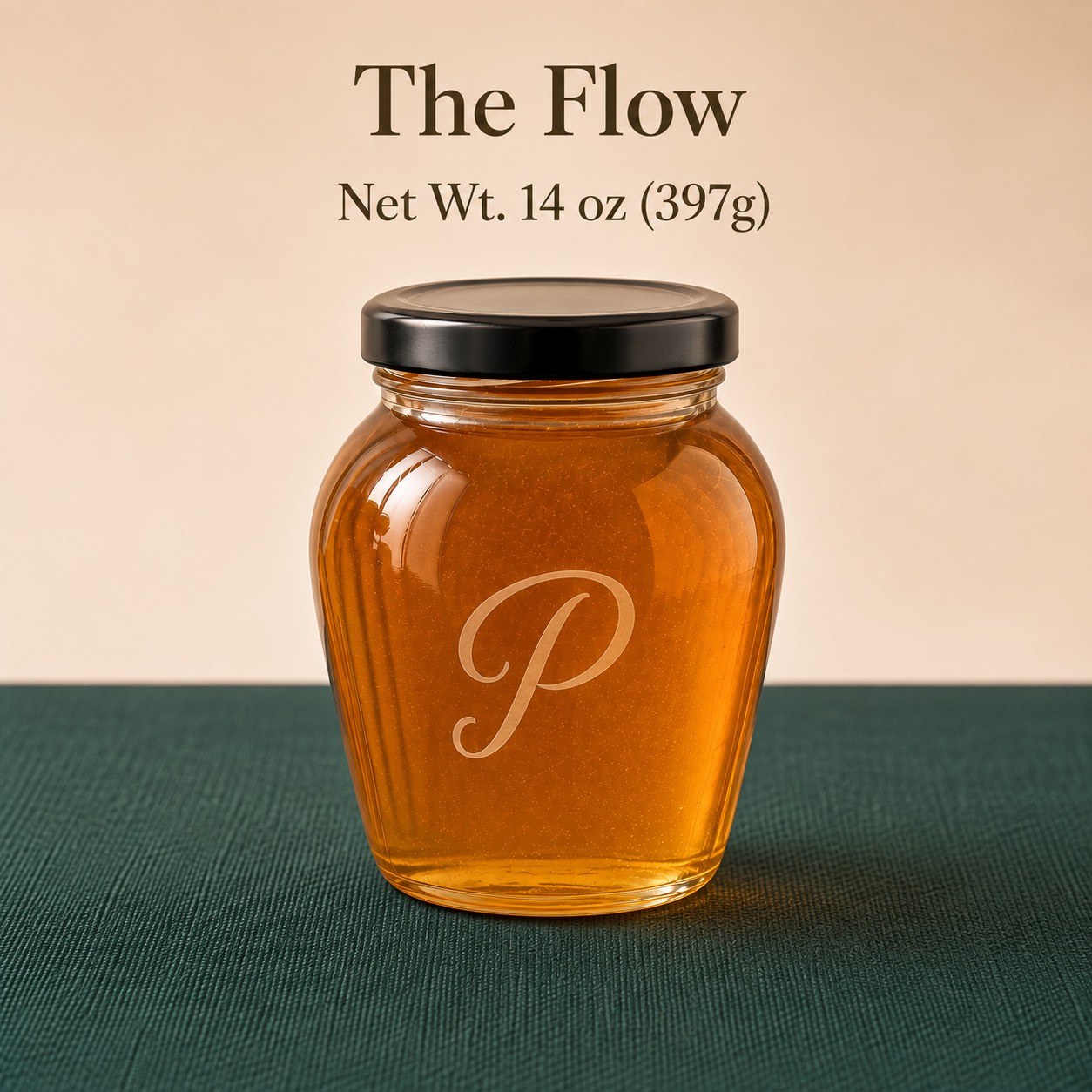
The Flow
14 oz (397 g) net weight. The one with enough to offer.
Sold on its own, and the jar in The Taste, The Table, and The Gathering.
Shop The FlowDifferent blooms, different honey. Explore the collection by jar size and varietal, or choose a gift packed by our family.
Coastal Harvest is raw, unfiltered mangrove honey from the Tampa Bay Region. It is the honey in every Founding Edition box: $50, $110 and $200 for the first 150. When the 150 are gone: The Taste $50, The Table $125, The Gathering $250.
Our honey collection includes Saw Palmetto, Orange Blossom, Spring Wildflower, Tupelo Reserve, Mangrove and The Meadow's Velvet (Clover). Coastal Harvest is our current mangrove release.
Explore the Founding EditionChoose your honey variety and size in the shop. Now shipping throughout the U.S. Free local pickup is available in Polk or Orange County.
14 oz (397 g) net weight. The one with enough to offer.
Sold on its own, and the jar in The Taste, The Table, and The Gathering.
Shop The Flow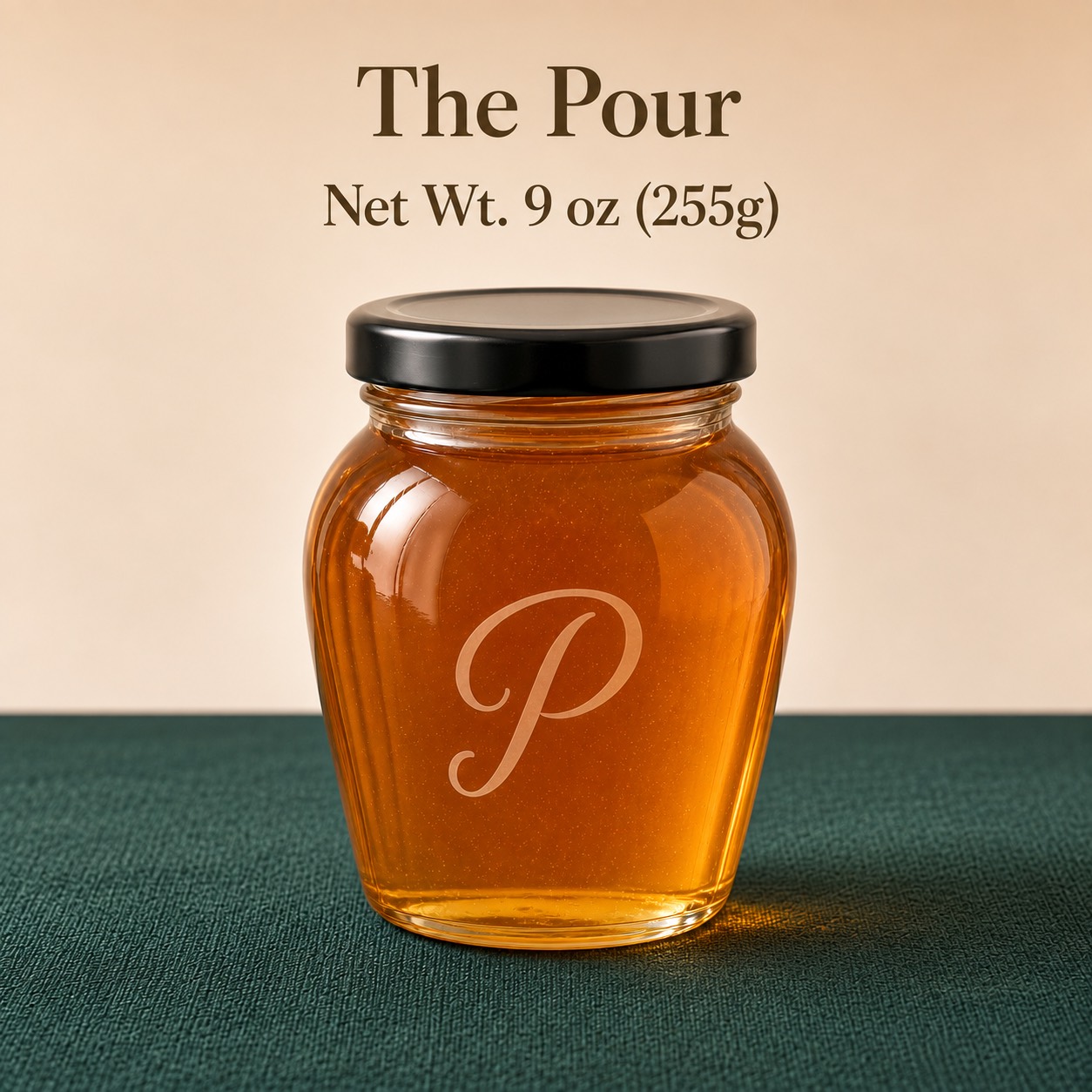
9 oz (255 g) net weight. The one you'll reach for every day.
Sold on its own.
Shop The Pour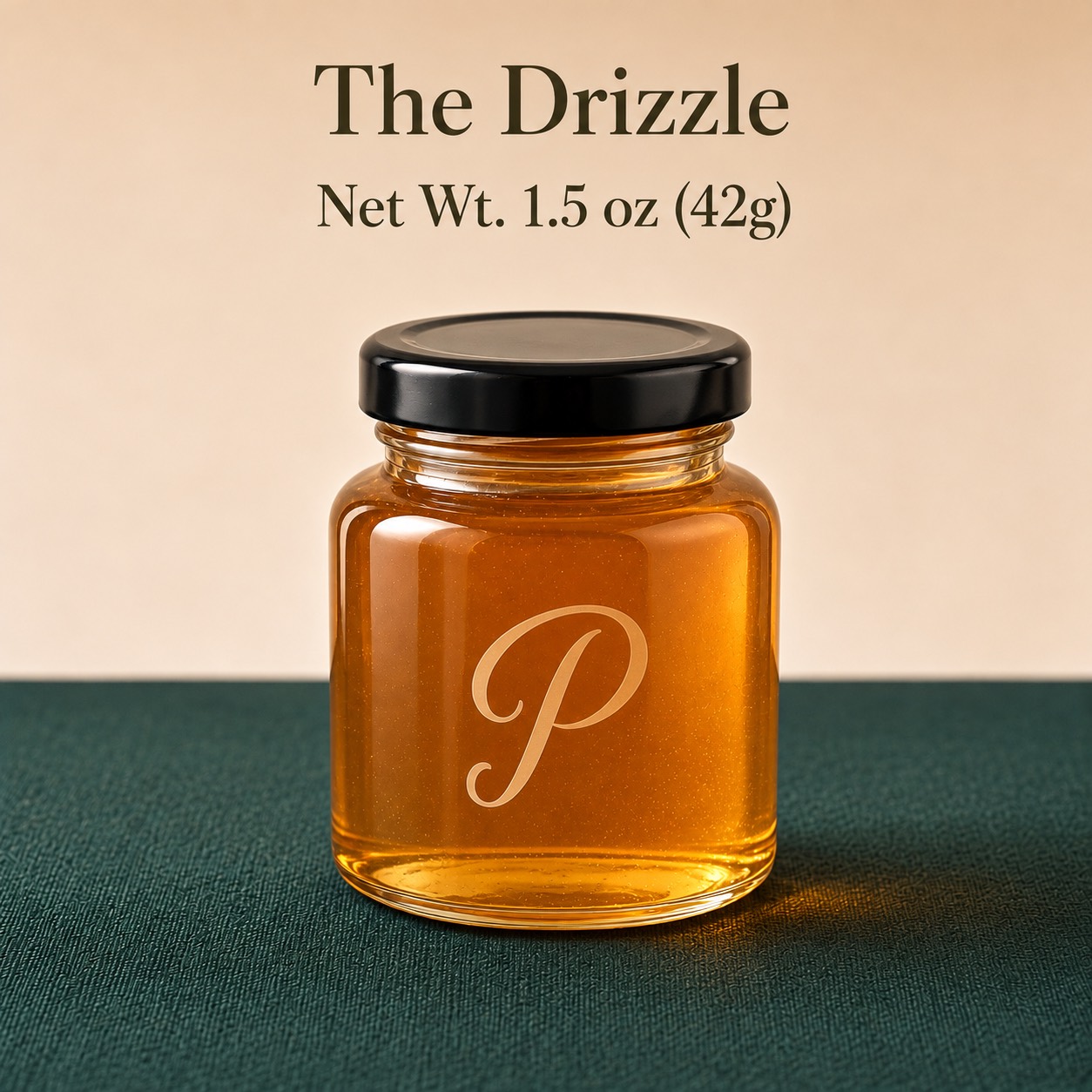
1.5 oz (42 g) net weight. Just enough to discover a favorite.
The jar in The Florida Flight, our tasting trio. Available in tasting sets; not sold individually.
Order a single jar or mix your favorites. Tupelo Reserve and The Meadow's Velvet (Clover) are offered in The Pour (9 oz) only, with a limit of three of each per order. The Flow (14 oz) is the jar in every Founding Edition box.
Honey can naturally form crystals and become thick or firm. Different honeys crystallize at different rates. Crystallization alone does not mean the honey has spoiled.
Enjoy its texture as it is, or gently warm it if you prefer it pourable.
Sources: UF/IFAS Extension: Honey and Its Uses (PDF) · University of Arkansas Extension: All About Honey
Stand the glass jar upright in a bowl of warm water, around 100°F. Keep the water below the lid and out of the honey. Replace the water as it cools and allow time for the honey to soften.
Use gentle water-bath warming rather than a microwave or direct stovetop heat. Avoid boiling water and excessive heat. If your honey is in plastic packaging, transfer it to a suitable glass container before warming.
Sources: UF/IFAS Extension: Honey and Its Uses (PDF) · University of Arkansas Extension: All About Honey · University of Missouri Extension: Using and Storing Honey
Keep honey tightly closed in a cool, dry place. Use a clean, dry spoon and keep water out of the jar. Refrigeration can encourage crystallization.
Sources: University of Missouri Extension: Using and Storing Honey · Oregon State University Extension: Infusing Honey Safely
Crystallization alone is normal. If your honey has an unusual sour smell, seems to be fermenting, or you suspect mold, stop using it and contact our family so we can help.
Please do not try to resolve suspected spoilage by warming the honey.
Source: Oregon State University Extension: Infusing Honey Safely
Crystallization is a natural change in honey’s own sugars. Crystals alone do not show that sugar was added, and they cannot establish whether honey is pure. Texture is not a reliable test of authenticity.
Sources: UF/IFAS Extension: Honey and Its Uses (PDF) · National Honey Board: Five False Home Tests
Water, flame, thumb and similar home tests do not reliably establish honey’s authenticity. Pure honey can dissolve in water and vary in thickness. Testing honey’s authenticity requires appropriate laboratory analysis.
Honey naturally comes in different colors, influenced by its floral sources. Darker color alone does not establish better quality. USDA’s extracted-honey grades do not use color as a quality factor.
Sources: UF/IFAS Extension: Honey and Its Uses (PDF) · USDA: Extracted Honey Standards, section 52.1397
Properly stored honey can last for years, but excess moisture can allow fermentation. Keep water out and close the lid tightly. Crystallization alone is different from spoilage.
Sources: UF/IFAS Extension: Honey and Its Uses (PDF) · Oregon State University Extension: Infusing Honey Safely
Explore the guidance from UF/IFAS Extension and the other honey and food-science sources behind these answers.
Still unsure about your jar? Contact our family. You can also ask Jojo about honey care and common myths.
We describe honey as local when its harvest apiary is within 50 miles of you. The honey's source matters, whether you choose shipping or pickup.
Our current Mangrove honey comes from the Tampa Bay Region.
Our current Saw Palmetto, Orange Blossom and Spring Wildflower come from the Central Florida Region.
Tupelo Reserve comes from the North Florida Region.
The Meadow's Velvet (Clover) is specialty honey sourced from the North & South Dakota Region at Palmetto Farms customers' request. It is part of our collection, with its North & South Dakota Region harvest source clearly identified.
For customers in Orange, Lake, Seminole, Osceola, Polk and Hillsborough counties, we can help identify which current honey is local to your address. A county name alone does not establish that a jar was harvested within 50 miles.
Orange County: Windermere, Orlando, Winter Park, Baldwin Park, Ocoee and Winter Garden. Lake County: Tavares, Howey-in-the-Hills and Clermont. Seminole County: Sanford. Osceola County: Kissimmee and St. Cloud. Polk County: Lake Wales. Hillsborough County: Tampa.
Our planned 2027 sources include Tavares Apiary and Avon Park Apiary. We will identify those harvests when they join the collection.
Ask which honey is local to you, or see shipping options and arranged pickup.
We are excited for the 2027 harvest as well. Founding members receive the first jars from that spring crop. Saw palmetto is the bloom the farm is named for, and we look forward to sharing the next harvest.
Learn about the Founders Circle